

I ran K1 ketones with 15 patients at FastingON for...
Read Morek1 ketones for weight loss intermittent fasting
If you’re using intermittent fasting for fat loss but struggle with hunger, cravings, or energy dips, K1 ketones can be a useful tool to support consistency. This guide focuses on practical timing, what to expect, and the most common mistakes that stall progress.
Quick context: what are K1 ketones?
K1 ketones are a next-generation exogenous ketone approach designed to raise ketone availability without requiring days of strict carbohydrate restriction. In the context of weight loss, the goal isn’t “magic fat burning” but improving adherence: fewer cravings, steadier energy, and better control of your eating window.
For the complete overview (ingredients, formats, and comparisons), see the full K1 ketones guide.

Do K1 ketones help with weight loss?
They can support fat loss indirectly by helping you:
Stay consistent with your fasting window
Reduce “snack drift” caused by cravings
Avoid the afternoon crash that leads to overeating
Train with better perceived energy while fasted
Important: ketones are not a substitute for a calorie-aware strategy, protein targets, sleep, and stress management. Think of K1 as a compliance tool.
Best timing: when to take K1 ketones for fat loss
Timing depends on your biggest friction point.
1) Morning fast (appetite control)
If mornings are when hunger hits hardest, take K1 early in your fasting window. Many people find this makes the first half of the day easier, which improves adherence.
2) Pre-workout (fasted training support)
If you train fasted, K1 can be used before workouts to support perceived energy and focus. Keep your plan simple: test it on training days first and track how you feel.
3) Afternoon cravings (the most common weight-loss derailment)
For many busy professionals, the 3–6 pm window is where cravings spike. If that’s you, consider using K1 strategically in the afternoon to stay on track until your eating window.
K1 + 16/8: sample schedule (simple)
Below is a sample framework you can adapt.
07:00–09:00: K1 (if mornings are hard)
10:00–12:00: Water, black coffee or tea (if tolerated)
13:00–21:00: Eating window (prioritize protein + whole foods)
16:00–18:00: Optional K1 if cravings are your main issue
If you’re new to fasting, start with 14/10 for 7–10 days, then move toward 16/8.
The 7 mistakes that stall results (and what to do instead)
Using K1 but overeating in the eating window
Fix: set a protein anchor meal and build the rest around it.
“Dirty fasting” without realizing it
Fix: watch hidden calories in creamers, sweeteners, and “zero” drinks that trigger appetite.
Not tracking the real problem (cravings vs hunger vs fatigue)
Fix: pick one goal for K1 use: appetite, energy, or training support.
Too aggressive too soon (18/6 or OMAD immediately)
Fix: progress gradually to protect sleep, mood, and adherence.
Low protein, high snack foods
Fix: prioritize protein first, then fiber-rich carbs and healthy fats.
Electrolytes ignored
Fix: support hydration and electrolytes, especially if you’re fasting and training.
Expecting daily scale drops
Fix: track weekly averages, waist measurements, and energy/craving improvements.
FAQ (for quick answers)
Do K1 ketones break a fast?
It depends on your definition of fasting (strict vs flexible). For weight loss, many people use K1 to improve consistency.
When should I take K1 ketones for weight loss?
Most people do best with one strategic time: either early in the fasting window (morning appetite) or mid-afternoon (cravings). Test one timing for 10 days.
Can I take K1 ketones before a workout?
Yes, many people use K1 pre-workout during a fast. Track perceived energy, performance, and appetite afterward.
Can I take K1 ketones at night?
Yes, you can drink your ketones without caffeine.
How long until I see results?
Many notice appetite or energy changes quickly. Visible fat-loss results depend on consistency across weeks, not days.
Should I use K1 every day?
Start with strategic use around your hardest time of day (morning hunger or afternoon cravings). Then adjust based on outcomes.
If intermittent fasting is already working for you, K1 may help you stay consistent when life gets busy and can offer you a boost of energy and focus. Use it strategically, keep your eating window protein-forward, and track outcomes that matter: cravings, energy, adherence, and weekly progress.
Medical disclaimer: This content is for educational purposes only and is not medical advice. If you are pregnant, breastfeeding, have a medical condition, or take medication, consult your healthcare professional before starting fasting or supplements.

Pruvit K1 Ketones (C5 Formula) – Available Now | Dr. Monica Mogne
K1 ketones by Pruvit are now available. They combine BHB...
Read More
Why Intermittent Fasting Is Hard: The Real Biological Reasons (And the Fixes That Actually Work)
Intermittent fasting is hard for specific biological reasons, not because...
Read More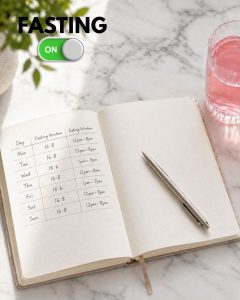
How to Start Intermittent Fasting Over 40: The Clinical Guide That Actually Works
Starting intermittent fasting over 40 requires a different approach than...
Read More