Intermittent Fasting for Women: The Complete Guide to Hormonal Health & Weight Loss
Science-Backed Fasting & Ketones for Women's Metabolic Health
Intermittent fasting for women is not just about skipping meals, it’s about working with your body’s natural hormonal rhythms to achieve sustainable weight loss, balanced energy, and optimal metabolic health. Unlike men, women experience monthly hormonal fluctuations that significantly impact how their bodies respond to fasting.
The Science Behind Intermittent Fasting for Women
Research shows that women’s bodies are more sensitive to caloric restriction and fasting due to evolutionary biology. Your hypothalamus the control center for hunger, reproduction, and metabolism responds differently to energy deficits than men’s. This means that while intermittent fasting offers incredible benefits, the approach must be tailored to support, not disrupt, your hormonal balance.
How Hormones Affect Fasting Success
Estrogen and progesterone levels fluctuate throughout your menstrual cycle, affecting hunger, energy expenditure, and fat-burning capacity. During the follicular phase (days 1-14), estrogen rises and your body handles fasting better. During the luteal phase (days 15-28), progesterone increases hunger and energy needs making a gentler fasting window more appropriate.
Why Intermittent Fasting for Women Is Different
Hormonal Cycles & Fasting
Women who align their fasting protocol with their menstrual cycle see 15-20% better results than those following rigid schedules. Your body’s needs change throughout the month, and your fasting window should adapt accordingly.
Follicular Phase (Days 1-14): Higher estrogen supports longer fasting windows (16:8 or 18:6).
Luteal Phase (Days 15-28): Higher progesterone increases hunger switch to 14:10 or 12:12.
Estrogen & Progesterone Effects
Estrogen enhances insulin sensitivity and fat oxidation, making fasting easier. Progesterone increases appetite and metabolic rate, requiring more flexible eating windows. Ignoring these hormonal shifts can lead to increased cortisol, disrupted cycles, and stalled weight loss.
Metabolic Differences vs. Men
Women have 5-10% slower metabolic rates than men and store fat differently (hips and thighs vs. abdomen). Women also require higher protein intake relative to body weight to maintain muscle mass during fasting. This is why a one-size-fits-all approach doesn’t work.
Benefits of Intermittent Fasting for Women
1. Sustainable Weight Loss
Intermittent fasting creates a natural caloric deficit without restrictive dieting. Studies show women lose 3-8% of body weight in 8-12 weeks while maintaining muscle mass when protein intake is adequate.
2. Improved Hormonal Balance
Fasting reduces insulin levels, allowing your body to access stored fat for energy. Lower insulin also improves estrogen metabolism, reducing symptoms of PMS, bloating, and hormonal acne.
3. Enhanced Mental Clarity & Focus
Fasting increases production of brain-derived neurotrophic factor (BDNF), improving cognitive function, focus, and mood. Many women report sharper thinking and reduced brain fog within 2-3 weeks.
4. Better Energy Levels
Once fat-adapted (typically 3-4 weeks), your body efficiently burns fat for fuel, providing steady energy without blood sugar crashes. No more 3 PM energy slumps.
5. Reduced Inflammation
Fasting activates autophagy your body’s cellular cleanup process reducing chronic inflammation linked to weight gain, skin issues, and metabolic disease.
6. Cellular Repair & Anti-Aging
Autophagy also promotes cellular repair, DNA protection, and longevity. Fasting has been shown to improve skin elasticity, reduce wrinkles, and support healthy aging.

Best Intermittent Fasting Protocols for Women
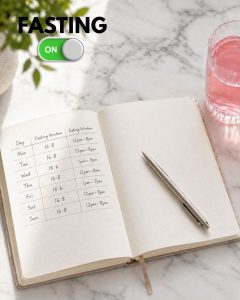
16:8 Fasting (Most Popular)
Fast: 16 hours | Eat: 8 hours
Best for: Women with regular cycles, sustainable long-term.
Example: Eat between 12:00 PM – 8:00 PM, fast from 8:00 PM – 12:00 PM.
14:10 Fasting (Gentler Option)
Fast: 14 hours | Eat: 10 hours
Best for: Beginners, luteal phase, or women sensitive to fasting.
Example: Eat between 10:00 AM – 8:00 PM, fast from 8:00 PM – 10:00 AM.
5:2 Diet (Flexible Approach)
Eat normally: 5 days | Restrict to 500 calories: 2 non-consecutive days
Best for: Women who prefer flexibility and don’t want daily fasting.
Eat-Stop-Eat (Advanced)
24-hour fast: 1-2 times per week
Best for: Experienced fasters who have adapted to shorter fasting windows.
Recommendation: Most women thrive on 14:10 or 16:8, adjusting based on their menstrual cycle.
How to Start Intermittent Fasting as a Woman
Week 1-2: Adaptation Phase
Start with a 12:12 or 14:10 fasting window. Your body needs time to adapt to using fat for fuel. Expect mild hunger, slight fatigue, and possible headaches as your metabolism shifts. Stay hydrated and consume electrolytes.
Week 3-4: Optimization Phase
Extend to 16:8 if comfortable. By now, hunger should decrease, energy should stabilize, and you may notice the first signs of fat loss. This is when metabolic flexibility improves.
Month 2+: Sustainable Routine
Adjust your fasting window based on your cycle, activity level, and goals. Some women maintain 16:8 year-round; others cycle between 14:10 and 16:8 based on hormonal phases.
Nutrition Tips for Women Doing Intermittent Fasting
What to Eat During Eating Windows
Focus on nutrient-dense whole foods that support hormonal health:
Protein: Chicken, fish, eggs, Greek yogurt (1.2-1.6g per kg body weight)
Healthy Fats: Avocado, olive oil, nuts, seeds, fatty fish
Complex Carbs: Sweet potato, quinoa, oats, brown rice
Micronutrients: Leafy greens (iron), dairy or fortified foods (calcium), seeds (magnesium)
Nutrient Timing & Macros
Break your fast with a balanced meal containing protein, healthy fats, and fiber. This stabilizes blood sugar and reduces cravings. Aim for 25-30g protein per meal to maintain muscle mass.
Exogenous Ketones for Women
Exogenous ketones provide clean energy during fasting without breaking your fast. They reduce hunger, enhance mental clarity, and help women transition into fat-burning mode faster. Many women use ketones in the morning to extend their fasting window comfortably.
Sample Meal Plan for Women
12:00 PM (Break Fast): Grilled chicken salad with avocado, olive oil, mixed greens, cherry tomatoes
3:00 PM (Snack): Greek yogurt with berries and almonds
7:00 PM (Dinner): Baked salmon, roasted sweet potato, steamed broccoli with ghee
Common Concerns & How to Address Them
Will I Lose Muscle?
No, if you maintain adequate protein intake (1.2-1.6g per kg body weight) and incorporate resistance training 2-3 times per week. Studies show women on intermittent fasting with proper nutrition maintain or even gain muscle while losing fat.
Can I Exercise While Fasting?
Yes. Light cardio, yoga, and walking are excellent during fasting. For strength training, consider eating a small protein-rich meal or using exogenous ketones 30-60 minutes before your workout to fuel performance.
What About Hormonal Imbalances?
If you have PCOS, thyroid issues, or irregular cycles, start with a gentler 12:12 or 14:10 protocol and monitor symptoms closely. Intermittent fasting can improve insulin sensitivity and hormonal balance, but it must be done gradually.
Is It Safe During Menstruation?
Yes, but many women prefer shorter fasting windows (12:12 or 14:10) during their period due to increased hunger and energy needs. Listen to your body—flexibility is key.
What If I’m Breastfeeding?
Intermittent fasting is not recommended while breastfeeding, as it may affect milk supply and nutrient availability for your baby. Wait until you’ve finished breastfeeding before starting.
Who Should Avoid Intermittent Fasting?
Pregnancy & Breastfeeding
Pregnant and breastfeeding women have increased caloric and nutrient needs. Fasting is not appropriate during these stages.
Severe Hormonal Disorders
Women with uncontrolled thyroid disease, adrenal fatigue, or severe hormonal imbalances should consult a healthcare provider before starting.
History of Eating Disorders
If you have a history of anorexia, bulimia, or binge eating, intermittent fasting may trigger disordered eating patterns. Seek professional guidance.
Certain Medications
Some medications require food intake. Always consult your doctor before starting intermittent fasting if you take prescription medications.
Intermittent Fasting for Women: Real Results
Week 1-2: Adaptation & Energy Shifts
Expect hunger, mild fatigue, and metabolic adjustment. Stay consistent—this phase passes quickly.
Week 3-4: Fat Loss Begins
Energy stabilizes, hunger decreases, and you may lose 1-2 kg. Clothes fit better, and mental clarity improves.
Month 2-3: Metabolic Transformation
Fat loss accelerates (2-4 kg), hormonal balance improves, skin clears, and energy peaks. You’re now fat-adapted.
Month 3+: Long-Term Benefits
Sustainable weight maintenance, improved metabolic markers, balanced hormones, and enhanced overall well-being.
Frequently Asked Questions
Can women do intermittent fasting during their period?
Yes, but consider shortening your fasting window to 12:12 or 14:10 during menstruation to support increased energy needs.
How much weight can women lose with intermittent fasting?
Most women lose 0.5-1 kg per week with consistent fasting and proper nutrition—3-8% of body weight in 8-12 weeks.
What’s the best time to start fasting as a woman?
Start during your follicular phase (days 1-14 of your cycle) when estrogen is higher and fasting feels easier.
Can intermittent fasting help with hormonal acne?
Yes. By reducing insulin levels and improving estrogen metabolism, many women see significant improvements in hormonal acne within 4-8 weeks.
Is intermittent fasting safe for women over 50?
Yes. Post-menopausal women often thrive on intermittent fasting as it helps manage weight, improve insulin sensitivity, and support bone health when combined with resistance training.
Ready to Transform Your Health with Intermittent Fasting?
Intermittent fasting for women is a powerful tool for sustainable weight loss, hormonal balance, and metabolic health—when done correctly. Start with a 14:10 protocol, listen to your body, adjust based on your cycle, and prioritize nutrient-dense foods during your eating windows.
Ready to begin? Explore our programs designed specifically for women’s hormonal needs and join thousands of women transforming their health with intermittent fasting.
Now you understand how intermittent fasting for women works and can implement female-optimized protocols for lasting health transformation.



Scientific References
Heilbronn LK, et al. Alternate-day fasting in nonobese subjects: effects on body weight, body composition, and energy metabolism. Am J Clin Nutr. 2005.
Varady KA, et al. Short-term modified alternate-day fasting: a novel dietary strategy for weight loss and cardioprotection in obese adults. Am J Clin Nutr. 2009.
Harvie MN, et al. The effects of intermittent or continuous energy restriction on weight loss and metabolic disease risk markers. Int J Obes. 2011.
Tinsley GM, La Bounty PM. Effects of intermittent fasting on body composition and clinical health markers in humans. Nutr Rev. 2015.
Cienfuegos S, et al. Effects of 4- and 6-h time-restricted feeding on weight and cardiometabolic health. Cell Metab. 2020.
Scientific Evidence: Fasting and Women’s HealthResearch from the National Institutes of Health demonstrates that intermittent fasting for women produces significant health benefits including improved insulin sensitivity, reduced inflammation, and enhanced metabolic flexibility when protocols are adapted for female hormonal cycles. Studies show that women who follow modified fasting approaches experience better adherence, sustained weight loss, and improved hormonal balance compared to aggressive fasting protocols. These findings validate the importance of female-specific fasting strategies.Read the full study: National Institutes of Health – Health Effects of Intermittent Fasting https://www.nih.gov/news-events/nih-research-matters/health-effects-diet-mimics-fastingHormonal Considerations for Women’s FastingA comprehensive study published in Cell Metabolism reveals that intermittent fasting for women requires careful attention to hormonal sensitivity, particularly regarding reproductive hormones and thyroid function. Researchers found that women achieve optimal results with 12-16 hour fasting windows rather than extended fasts, maintaining hormone balance while still triggering fat burning and metabolic benefits. This research guides safe and effective intermittent fasting for women protocols.Link: Read the full study: Cell Metabolism – Metabolic Effects of Fasting in Women https://www.cell.com/cell-metabolism/fulltext/S1550-4131(19)30429-2