
I ran K1 ketones with 15 patients at FastingON for...
Read MoreFasting without Energy Crash! Fasting fatigue its real?
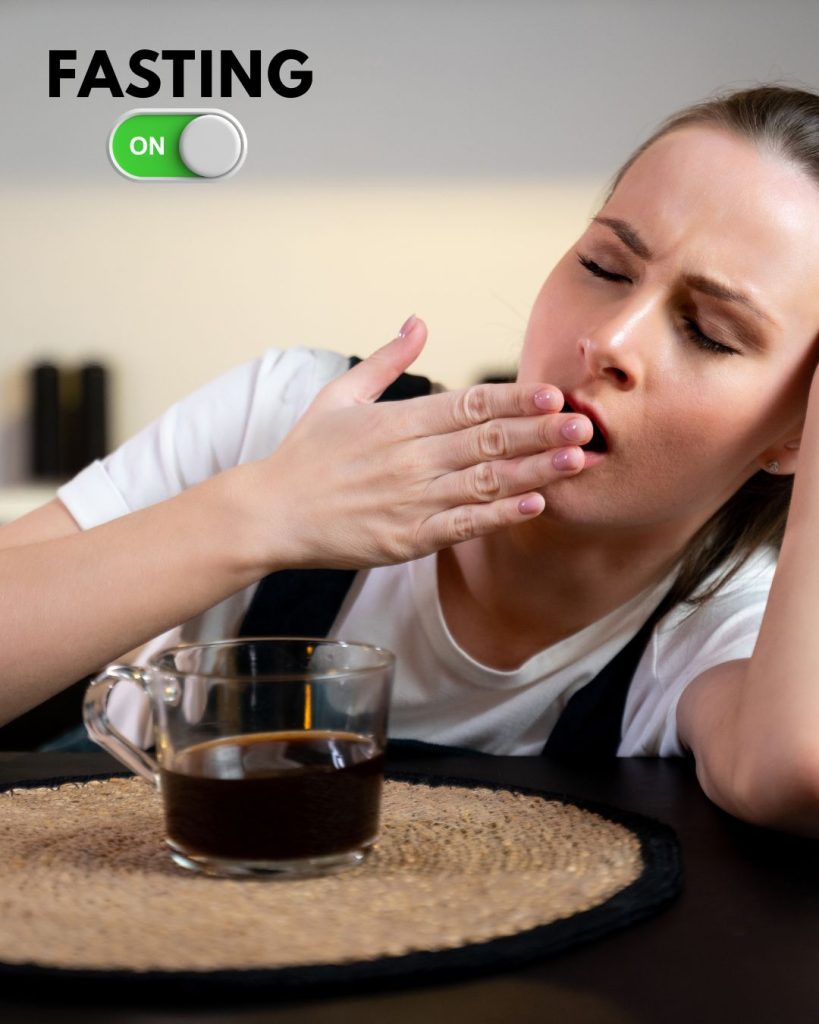
One of the most common concerns about fasting is the fear of losing energy. Many people expect clarity and lightness. Instead, they experience:
fatigue
dizziness
mental fog
irritability
This often leads to the belief that fasting is inherently draining. But physiologically, fasting does not need to result in an energy crash.
Why Energy Drops During Fasting
In the early stages of fasting, glucose availability declines. If the body has not yet transitioned to fat-derived fuel use, an energy gap can occur. This temporary mismatch between:
declining glucose
and…
delayed fat oxidation
may result in reduced energy availability.
The Transition Phase
This phase reflects a metabolic adjustment rather than a failure of fasting.During this period, the body is:
mobilizing stored fat
increasing fatty acid oxidation
initiating ketone production
Until these processes scale sufficiently, energy output may feel inconsistent.
The Role of Metabolic Flexibility
Individuals with higher metabolic flexibility tend to maintain stable energy levels during fasting. They are able to:
access stored fat efficiently
generate alternative fuel sources
support brain energy demands
Others may require time for this adaptive response to develop. Research suggests metabolic flexibility influences how smoothly individuals transition between fuel sources (Goodpaster & Sparks, 2017).
When the Switch Occurs
As ketone production increases, many individuals report:
improved clarity
steadier energy
reduced hunger
Ketones provide an efficient substrate for the brain and may help stabilize energy supply (Cunnane et al., 2016). This often marks the point at which fasting becomes easier.
Energy Stability Is the Goal
The objective of fasting is not depletion. It is metabolic adaptation. When the body can rely on fat-derived fuels, energy production becomes less dependent on frequent intake. This may support:
cognitive stability
physical endurance
reduced fluctuations in energy levels
Why Some People Struggle
Delayed transition may occur in individuals with:
insulin resistance
high glucose dependency
chronic metabolic stress
In such cases, early fasting phases may feel uncomfortable. This reflects underlying metabolic conditioning rather than an inherent limitation of fasting.
A Functional Perspective Energy crash during fasting is not inevitable. It is often a signal of transition. With improved metabolic flexibility, fasting can shift from: energy depletion
to energy stability.
Supporting Energy During the Transition
One of the challenges during fasting is the delay between glucose decline and sufficient ketone production. During this window, energy supply may feel inconsistent.
Emerging metabolic strategies explore the use of circulating ketone bodies to support this transition phase.
Exogenous ketones – including beta-hydroxybutyrate in bioavailable forms, such as K1 ketones, may provide an immediate alternative fuel source.
Unlike glucose, ketones can be utilized efficiently by the brain and peripheral tissues. Research indicates that supplemental ketones can:
increase circulating beta-hydroxybutyrate levels
support cognitive energy availability
reduce reliance on glucose during periods of caloric restriction (Clarke et al., 2012)
This may help bridge the gap between declining glucose and endogenous ketone production, without interrupting the metabolic intent of fasting.
Exogenous Ketones are the Ultimate Metabolic Support
Rather than replacing fasting, the strategic use of exogenous ketone availability may assist individuals during the adaptation phase.
This approach may be particularly relevant for:
high performers
metabolically inflexible individuals ( a lot of the population!)
those sensitive to energy fluctuations
The objective remains metabolic switching, but the transition may become smoother.

Pruvit K1 Ketones (C5 Formula) – Available Now | Dr. Monica Mogne
K1 ketones by Pruvit are now available. They combine BHB...
Read More
Why Intermittent Fasting Is Hard: The Real Biological Reasons (And the Fixes That Actually Work)
Intermittent fasting is hard for specific biological reasons, not because...
Read More
How to Start Intermittent Fasting Over 40: The Clinical Guide That Actually Works
Starting intermittent fasting over 40 requires a different approach than...
Read MoreReferences
Goodpaster BH & Sparks LM. (2017). Metabolic Flexibility. Cell Metabolism. | Cunnane SC et al. (2016). Brain energy metabolism. Neurobiology of Aging | Clarke K et al. (2012). Ketone bodies as a fuel. Frontiers in Physiology.