You’re fasting correctly. Your eating window is set. But now the biggest question hits:
What should I actually eat during intermittent fasting?
The truth is: what you eat during your eating window determines whether you burn fat, maintain muscle, and feel energized—or sabotage all your fasting efforts.
In this complete guide, you’ll discover exactly what to eat during intermittent fasting, what breaks a fast, the best foods to maximize results, and complete meal plans for every fasting protocol
Understanding what to eat during intermittent fasting is essential for maximizing fat loss, preserving muscle, and maintaining energy throughout your fasting window.
Understanding the Two Windows
The Fasting Window
What you CAN consume:
Water (unlimited)
Black coffee (no sugar, no cream)
Plain tea (green, black, herbal)
Sparkling water (unflavored)
Electrolytes (zero-calorie)
Apple cider vinegar (1-2 tbsp in water)
Exogenous ketones (pure, no additives)
What BREAKS your fast:
Any food (even small amounts)
Milk or cream in coffee
Sugar or sweeteners
Protein shakes
Bone broth
Bulletproof coffee (butter/MCT oil)
Gum with calories
Supplements with calories
The Rule: Stay under 10 calories to maintain fasted state.
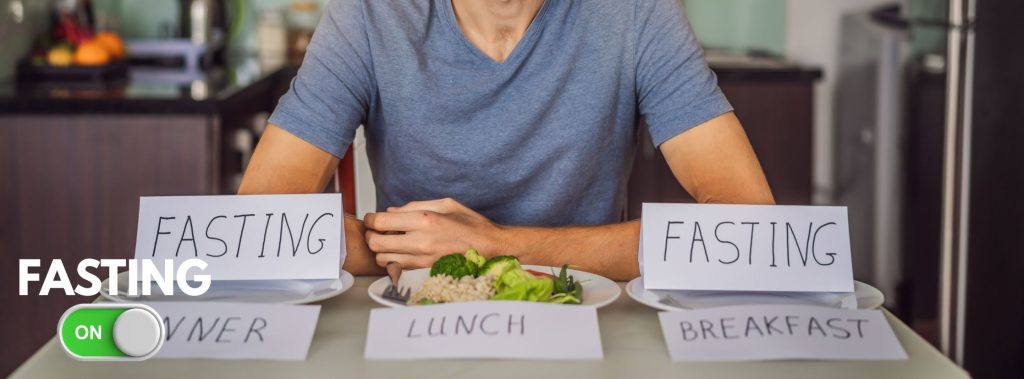
Many people struggle with what to eat during intermittent fasting because they focus on calorie restriction instead of nutrient quality
Knowing what to eat during intermittent fasting prevents common mistakes like undereating or choosing processed foods.
The key to what to eat during intermittent fasting is prioritizing protein, healthy fats, and nutrient-dense carbohydrates.
The Eating Window
What to Eat During Intermittent Fasting: Meal Timing Strategies
This is where results are made or broken. Your eating window must provide:
Adequate protein (preserve muscle)
Healthy fats (hormone production)
Nutrient-dense carbs (energy, fiber)
Micronutrients (vitamins, minerals)
Sufficient calories (prevent metabolic slowdown)
What to Eat to Break Your Fast and Have Maximum Results
The First Meal Matters Most
Breaking your fast correctly determines:
Digestive comfort
Energy levels
Fat-burning continuation
Insulin response
Best Foods to Break a Fast
Protein-Rich Options:
Eggs (2-3 whole eggs, easy to digest)
Greek yogurt (plain, full-fat, probiotic-rich)
Salmon (omega-3s, anti-inflammatory)
Chicken breast (lean protein)
Bone broth (gentle, gut-healing)
Healthy Fats:
Avocado (half to whole, nutrient-dense)
Olive oil (drizzle on salads)
Nuts (small handful, almonds or walnuts)
Seeds (chia, flax, hemp)
Low-Glycemic Vegetables:
Leafy greens (spinach, kale, arugula)
Cruciferous (broccoli, cauliflower)
Zucchini (low-carb, filling)
Cucumber (hydrating)
Bell peppers (vitamin C)
Safe Carbs (if needed):
Berries (blueberries, raspberries, low sugar)
Sweet potato (small portion, fiber-rich)
Quinoa (complete protein)
Oats (steel-cut, not instant)
Foods to AVOID When Breaking a Fast
High-Risk Foods
❌ Refined Carbs:
White bread, pasta, pastries
Instant oatmeal with sugar
Cereals (even “healthy” ones)
Why: Massive insulin spike, crashes energy
❌ Processed Foods:
Fast food, frozen meals
Packaged snacks
Deli meats with additives
Why: Inflammation, poor nutrient quality
❌ High-Sugar Foods:
Fruit juice, smoothies with added sugar
Candy, desserts
Sweetened yogurt
Why: Stops fat burning immediately
❌ Fried Foods:
French fries, fried chicken
Donuts, chips
Why: Hard to digest, inflammatory oils
❌ Alcohol:
Beer, wine, spirits
Why: Liver prioritizes alcohol over fat burning
Complete Food List for Intermittent Fasting
Proteins (Priority #1)
Animal Proteins:
✅ Eggs (whole, pastured)
✅ Chicken breast
✅ Turkey
✅ Salmon (wild-caught)
✅ Sardines (omega-3s)
✅ Grass-fed beef
✅ Lamb
✅ Pork tenderloin
✅ Shrimp
✅ Cod, halibut
Plant Proteins:
✅ Lentils
✅ Chickpeas
✅ Black beans
✅ Tofu (organic)
✅ Tempeh
✅ Edamame
Target: 25-35g protein per meal, 100-150g daily
Healthy Fats
Whole Food Fats:
✅ Avocado
✅ Olives
✅ Nuts (almonds, walnuts, pecans)
✅ Seeds (chia, flax, pumpkin, hemp)
✅ Coconut (unsweetened)
Oils:
✅ Extra virgin olive oil
✅ Avocado oil
✅ Coconut oil
✅ MCT oil (for ketones)
Fatty Fish:
✅ Salmon
✅ Mackerel
✅ Sardines
✅ Herring
Target: 50-70g healthy fats daily
Vegetables (Unlimited)
Leafy Greens:
✅ Spinach
✅ Kale
✅ Arugula
✅ Lettuce (romaine, butter)
✅ Swiss chard
✅ Collard greens
Cruciferous:
✅ Broccoli
✅ Cauliflower
✅ Brussels sprouts
✅ Cabbage
✅ Bok choy
Other Vegetables:
✅ Zucchini
✅ Cucumber
✅ Bell peppers
✅ Asparagus
✅ Green beans
✅ Mushrooms
✅ Tomatoes
✅ Eggplant
Target: 5-7 servings daily
Smart Carbs (Moderate)
Low-Glycemic:
✅ Berries (blueberries, strawberries, raspberries)
✅ Sweet potato
✅ Quinoa
✅ Brown rice (small portions)
✅ Oats (steel-cut)
✅ Lentils
Timing: Post-workout or evening meal
Target: 50-100g carbs daily (adjust based on activity)
Beverages
During Fasting Window:
✅ Water (2-3 liters daily)
✅ Black coffee
✅ Green tea
✅ Herbal tea
✅ Sparkling water (unflavored)
During Eating Window:
✅ Water with lemon
✅ Herbal tea
✅ Bone broth
✅ Kombucha (low-sugar)
✅ Coconut water (unsweetened)
Sample Meal Plans by Fasting Protocol
The best results come when you understand what to eat during intermittent fasting and apply these principles consistently.
16:8 Protocol (Most Popular)
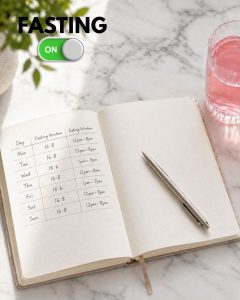
Eating Window: 12pm – 8pm
Meal 1 (12pm) – Break Fast:
3 scrambled eggs with spinach
Half avocado
Small handful of berries
Black coffee or green tea
Meal 2 (3pm) – Snack (optional):
Greek yogurt with chia seeds
10 almonds
Meal 3 (7pm) – Dinner:
Grilled salmon (150g)
Roasted broccoli and cauliflower
Quinoa (½ cup)
Olive oil drizzle
Total: ~1,600-1,800 calories, 120g protein, 60g fat, 80g carbs
18:6 Protocol (Advanced)
Eating Window: 2pm – 8pm
Meal 1 (2pm) – Break Fast:
Chicken breast salad
Mixed greens, cucumber, tomato
Olive oil + lemon dressing
Handful of walnuts
Meal 2 (6:30pm) – Dinner:
Grass-fed beef (150g)
Sweet potato (small)
Asparagus
Side salad
Total: ~1,500-1,700 calories, 110g protein, 65g fat, 70g carbs
20:4 Protocol (Warrior Diet)
Eating Window: 4pm – 8pm
Meal 1 (4pm) – Pre-Dinner:
Bone broth
Small salad with avocado
Meal 2 (6:30pm) – Main Meal:
Large protein portion (200g chicken/fish)
Generous vegetables
Healthy fats (olive oil, nuts)
Moderate carbs (quinoa or sweet potato)
Total: ~1,400-1,600 calories, 100g protein, 70g fat, 60g carbs
OMAD (One Meal A Day)
Eating Window: 6pm – 7pm
One Large Meal:
Large protein serving (200-250g)
2-3 cups vegetables
Healthy fats (avocado, olive oil)
Moderate carbs
Small dessert (berries with Greek yogurt)
Total: ~1,500-2,000 calories, 120g protein, 80g fat, 100g carbs
Meal Timing Strategies
Front-Load Protein
Why: Preserves muscle, increases satiety, boosts metabolism
How: First meal should be 40-50% of daily protein
Example: If you need 120g protein daily, eat 50g in first meal
Save Carbs for Evening
Why: Improves sleep, replenishes glycogen, satisfies cravings
How: Eat 70% of carbs in last meal
Example: If you eat 80g healthy carbs daily, save 60g for dinner
Space Meals 4-6 Hours Apart
Why: Allows complete digestion, maintains stable energy
How: 2-3 meals with no snacking between
Example: 12pm, 4pm, 8pm (16:8 protocol)
What About Supplements?
During Fasting Window (Won’t Break Fast)
✅ Electrolytes (sodium, potassium, magnesium)
✅ Black coffee
✅ Green tea extract
✅ Exogenous ketones (pure BHB)
✅ Apple cider vinegar
✅ Creatine (if needed)
During Eating Window
✅ Personalized needs on vitamins
✅ Omega-3 fish oil
✅ Vitamin D3 + K2
✅ Magnesium (evening)
✅ Probiotics
✅ Collagen peptides
✅ B-Complex
Common Mistakes to Avoid
1. Not Eating Enough Protein
Mistake: Only 50-60g protein dailyFix: Minimum 100g daily, 25-35g per mealResult: Preserve muscle, stay full longer
2. Breaking Fast with High-Carb Foods
Mistake: Pancakes, cereal, juice for first mealFix: Start with protein + fat + vegetablesResult: Stable energy, continued fat burning
3. Eating Too Few Calories
Mistake: Only 1,000-1,200 calories dailyFix: Minimum 1,400-1,800 for women, 1,800-2,200 for menResult: Maintain metabolism, sustainable fat loss
4. Snacking During Eating Window
Mistake: Constant grazing, 5-6 small mealsFix: 2-3 complete meals, no snackingResult: Better insulin sensitivity, more fat burning
5. Ignoring Micronutrients
Mistake: Only tracking calories/macrosFix: Eat variety of colorful vegetablesResult: Optimal health, better energy
6. Drinking Calories During Fasting
Mistake: Coffee with cream, diet soda, protein shakesFix: Only water, black coffee, plain teaResult: Stay in fasted state, maximize benefits
Special Situations
Pre-Workout Nutrition
If training fasted:
5-10g BCAAs (optional)
Exogenous ketones (energy)
Black coffee (performance boost)
If training during eating window:
Eat protein + carbs 1-2 hours before
Example: Banana + protein shake
Post-Workout Nutrition
Priority: Protein within 2 hours
Ideal post-workout meal:
30-40g protein
20-30g carbs (replenish glycogen)
Moderate fat
Example: Chicken breast, sweet potato, vegetables
Travel Days
Strategy: Flexible fasting window
Pack:
Nuts and seeds
Protein bars (low-sugar)
Jerky
Portable vegetables (carrots, cucumber)
Social Events
Strategy: Adjust eating window
Example: If dinner is at 8pm, shift window to 2pm-10pm
Focus: Protein first, then enjoy socially
FAQ: What to Eat During Intermittent Fasting
Q: Can I drink coffee during fasting?
A: Yes! Black coffee is allowed and can enhance fat burning. No cream, sugar, or sweeteners.
Q: Does lemon water break a fast?
A: No. 2 or 3 drops of lemon won’t break your fast.
Q: What breaks a fast?A: Anything over 10 calories: food, milk, sugar, protein shakes, bulletproof coffee.
Q: Can I eat fruit during intermittent fasting?A: Yes, in the eating window, but choose low-sugar options (berries) and eat in moderation.
Q: How much protein should I eat?
A: Minimum 100g daily for women, 120-150g for men. Aim for 25-35g per meal.
Q: Should I count calories during intermittent fasting?
A: Initially yes, to ensure you’re eating enough. Once adapted, intuitive eating works for most people.
Q: Can I have diet soda?
A: Technically yes (zero calories), but artificial sweeteners may trigger insulin response. Water is better.
Q: What’s the best first meal after fasting?
A: Protein + healthy fat + vegetables. Example: Eggs with avocado and spinach.
Q: Can I eat carbs during intermittent fasting?
A: Yes! Focus on low-glycemic carbs (berries, sweet potato, quinoa) and eat mostly in evening.
Q: How many meals should I eat during my eating window?
A: 2-3 complete meals. Avoid constant snacking for better insulin sensitivity.
Your Action Plan
Week 1: Foundation
Break fast with protein + fat
Eat 2-3 complete meals
No snacking between meals
Track protein intake (aim 100g+)
Week 2: Optimization
Add more vegetables (5+ servings)
Time carbs in evening
Eliminate processed foods
Stay hydrated (2-3L water)
Week 3: Fine-Tuning
Adjust meal timing based on energy
Experiment with pre/post-workout nutrition
Monitor hunger signals
Refine portion sizes
Week 4: Mastery
Intuitive eating (no tracking needed)
Consistent energy all day
Sustainable fat loss (0.5-1kg/week)
Lifestyle integration complete.