
I ran K1 ketones with 15 patients at FastingON for...
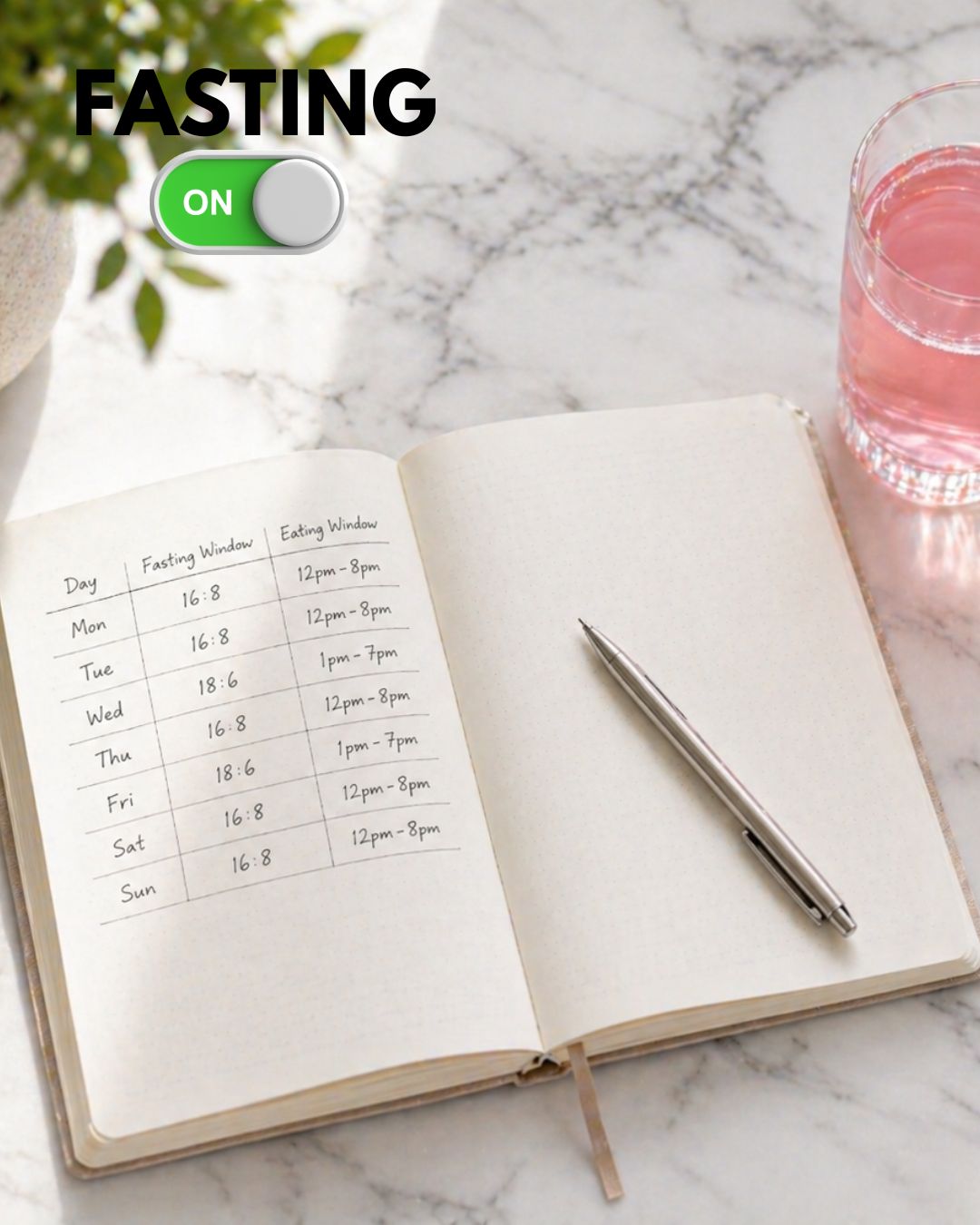
Read MoreStarting intermittent fasting over 40 requires a different approach than the protocols designed for younger adults. The cortisol load of aggressive fasting windows, the hormonal sensitivity of women in perimenopause, and the metabolic adaptation challenges of a body that has spent decades running on glucose all mean that jumping straight to 16:8 or OMAD often produces more discomfort than results. The right starting point is the 16:8. The right support is electrolytes and ketone substrate from day one. And the right timeline is weeks, not days. Dr. Monica Mogne, ND | FastingON
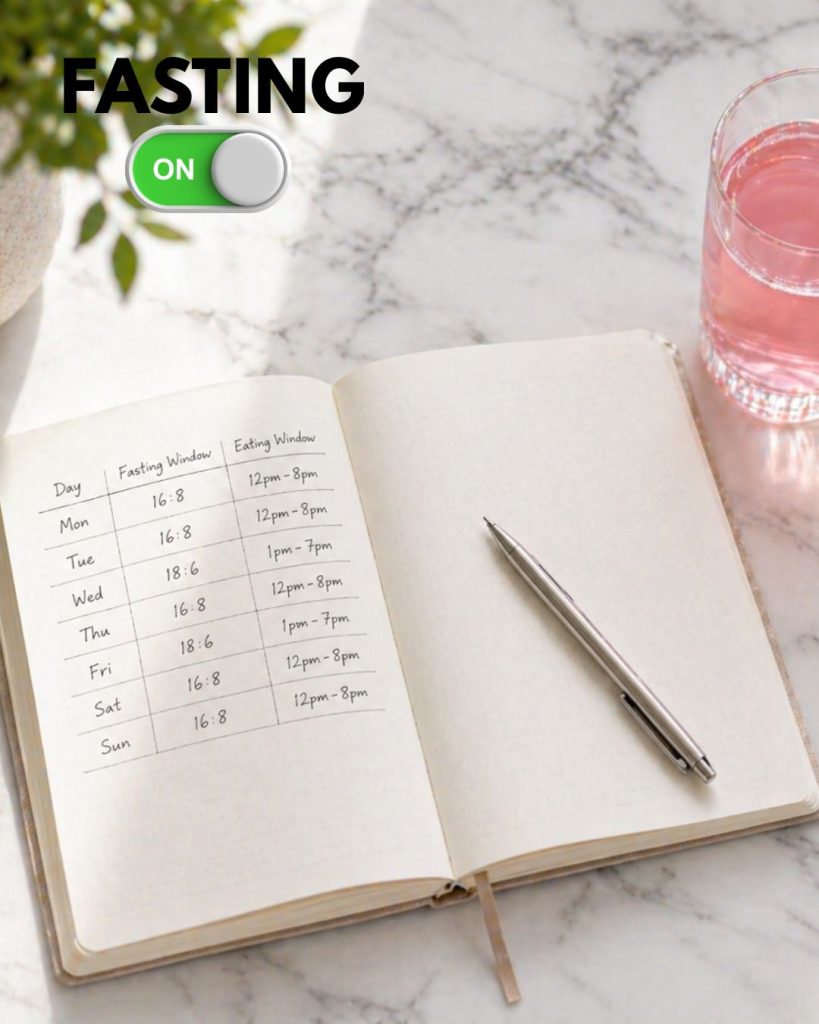
How to Start Intermittent Fasting Over 40: The Clinical Guide That Actually Works
Most intermittent fasting guides were written with a 28-year-old man in mind.
The protocols assume a metabolism that transitions smoothly between glucose and fat, a hormonal environment that tolerates food restriction without significant cortisol response, and a body that has not spent decades adapting to three meals a day plus snacks. For many people over 40, and particularly for women approaching or in perimenopause, those assumptions do not hold.
This does not mean fasting does not work after 40. In my clinical practice at FastingON, it is one of the most powerful metabolic tools I use with patients in their 40s and 50s. But the way you start matters enormously. The right approach produces remarkable results. The wrong approach produces two weeks of misery followed by giving up.
This is the guide I wish existed when my patients first came to me asking how to start fasting. It is built entirely from clinical practice, not from generic fasting advice recycled from the same five sources.
>>> The Tool I Use With Every New Fasting Patient Over 40 <<<
Why Over 40 Requires a Different Starting Point
Before we get into the protocol, it helps to understand what is actually different about starting fasting after 40. Because the difference is not just about willpower or discipline. It is physiological.
Insulin Sensitivity Is Already Compromised
By the time most people reach their 40s, insulin sensitivity has declined meaningfully from its peak. Cells are less responsive to insulin, which means blood glucose is less stable, energy is more volatile, and the transition from burning glucose to burning fat during a fast is slower and more uncomfortable than it would have been ten years earlier.
This is why the first hours of a fasting window feel harder after 40 than they did in your 30s. The metabolic switch is happening, but it is happening through thicker mud.
Cortisol Is More Reactive
Food restriction triggers cortisol release. In younger adults, this cortisol response is modest and brief. In adults over 40, particularly in women whose estrogen levels are declining, the cortisol response to fasting is both faster and more pronounced. This cortisol elevation is one of the primary drivers of the anxiety, irritability, and brain fog that many people over 40 experience when they first attempt fasting.
Starting with a shorter fasting window reduces the cortisol load significantly. This is not a compromise. It is the clinical reason that 14:10 produces better long-term results for most people over 40, just starting with fasting, than jumping straight to 16:8.
Metabolic Flexibility Has Declined
Metabolic flexibility, the ability to switch smoothly between glucose and fat as fuel sources, declines with age and with decades of glucose-dependent eating. A metabolically flexible person makes the switch from glucose to fat burning quickly and without significant energy disruption. A metabolically inflexible person, which describes most adults who have never practiced fasting or low-carbohydrate eating, experiences the switch as a prolonged energy gap.
Building metabolic flexibility is the primary goal of the first four to six weeks of fasting. Everything in this protocol is designed to build that flexibility gradually, with minimum discomfort and maximum adherence.
What You Need Before You Start
Getting these foundations in place before your first fasting day makes the first two weeks significantly more manageable.
Electrolytes (Mitoplex)
The single most common reason new fasters quit in the first week is electrolyte depletion. When you fast, particularly if you are also reducing carbohydrates, your kidneys excrete sodium, magnesium, and potassium at an accelerated rate. The headaches, fatigue, muscle cramps, and brain fog of the first fasting days are often primarily electrolyte symptoms rather than metabolic adaptation symptoms.
Before you start, make sure you have a source of sodium, magnesium, and potassium available to use during the fasting window. K1 ketones contain all three in a profile specifically designed for fasting, which is one of the reasons I use them with every new fasting patient over 40 from day one.
A Realistic Timeline
Most fasting guides imply that results should be visible within a week or two. For people over 40, this timeline is too optimistic and sets up unrealistic expectations that lead to early abandonment.
The realistic timeline for starting fasting over 40 looks like this. Weeks one and two are adaptation, often uncomfortable, not yet producing visible results. Weeks three and four are stabilisation, less discomfort, first signs of improved energy and reduced hunger. Weeks five to eight are where the metabolic shift becomes genuinely noticeable, energy stabilises, hunger becomes predictable, and physical changes begin. Results that are visible to others typically emerge at eight to twelve weeks of consistent practice.
Set your expectations accordingly. You are building a new metabolic capability. That takes time.
A Tracking System
You do not need a sophisticated app. You need a way to record three numbers daily: your hunger score from 1 to 10 at the two-hour mark of your fasting window, your mental clarity score from 1 to 10 at the same point, and your energy score from 1 to 10 at 3pm. These three markers tell you more about how your fasting protocol is working than the number on the scale, and they provide the data you need to make intelligent adjustments.

>>> The Tool I Use With Every New Fasting Patient Over 40 <<<
Common Mistakes That Derail New Fasters Over 40
Starting with 16:8 or longer immediately(if you are not drinking ketones). The cortisol load of a 16-hour fast in week one is significantly higher than in week four. Starting at 14:10 and building to 16:8 over two to four weeks produces better outcomes and dramatically better adherence.
Restricting calories at the same time. This is the most common compounding error. Adding a caloric deficit to a new fasting protocol doubles the physiological stress and triples the side effects. Let fasting do its work first. Caloric adjustments, if needed, come later once the fasting habit is established.
Not eating enough protein. Fasting without adequate protein intake accelerates muscle loss, which is counterproductive to every metabolic goal. 100 to 120 grams of protein per day is the minimum I recommend for women over 40 who are fasting.
Evaluating too early. Judging whether fasting is working at day seven is like judging a garden at day three. Nothing meaningful has had time to develop. Commit to eight weeks before making any significant assessment of whether the protocol is producing results.
Using coffee alone to manage the fasting window. Coffee suppresses hunger temporarily but elevates cortisol and does nothing for electrolyte balance or metabolic support. It is a crutch that makes the first weeks feel manageable while potentially worsening some of the underlying mechanisms that make fasting hard. Electrolytes and K1 are more effective and more sustainable fasting support than caffeine alone.
Specific Considerations for Women Over 40
If You Are Perimenopausal
The hormonal environment of perimenopause makes the conservative starting protocol even more important. Estrogen decline reduces insulin sensitivity, amplifies the cortisol response to fasting, and slows the metabolic switch. Starting 16:8 with ketones, is not optional for perimenopausal women. It is the clinically appropriate starting point.
For a detailed guide specifically for perimenopausal women, see the FastingON perimenopause fasting guide.
If You Are on Medication
Several common medications interact with fasting in ways worth knowing about. Metformin for blood sugar management, blood pressure medications, and certain antidepressants can all be affected by changes in meal timing. If you are on any regular medication, inform your prescribing doctor before starting a fasting protocol.
Frequently Asked Questions
Is 16:8 fasting safe for women over 40? Yes, for most healthy women over 40, 16:8 is safe and effective. The important qualifier is how you get there. Starting at 14:10 and building to 16:8 over two to four weeks produces significantly better outcomes and fewer side effects than jumping straight to 16:8 from a standard three-meals-a-day pattern.
Do I need to change what I eat when I start fasting? Not immediately. In the first four weeks, I recommend focusing entirely on the fasting window and not simultaneously overhauling your diet. Once 16:8 is established and comfortable, optimising the eating window, increasing protein, reducing refined carbohydrates, becomes the natural next step.
Will intermittent fasting help me lose weight after 40? Yes, consistently and reliably, when the protocol is followed correctly over eight to twelve weeks. The mechanism is not primarily caloric restriction. It is the improvement in insulin sensitivity and metabolic flexibility that makes fat burning more efficient and hunger more manageable. Physical changes typically become visible at eight to twelve weeks of consistent practice.
Can I drink coffee during my fasting window? Black coffee does not break a metabolic fast and is permitted during the fasting window. Be aware that coffee raises cortisol, and for women over 40 whose cortisol response to fasting is already elevated, excessive coffee consumption during the fasting window can worsen anxiety, jitteriness, and sleep disruption. One to two cups is a reasonable amount. Using K1 ketones rather than relying entirely on coffee for fasting support produces better metabolic outcomes.
What if I feel great at 14:10 but terrible when I extend to 16:8? This is a signal that your metabolism needs more time at 14:10 before extending. Stay at 14:10 for another two weeks before trying 16:8 again. There is no metabolic prize for extending the window faster than your body is ready for. Sustainable progress at the right pace produces better results than aggressive extension that triggers side effects and forces you to stop.
The FastingON Protocol for Starting Fasting Over 40
This is not a generic fasting guide. What I use with new patients at FastingON is a structured protocol that combines a fasting window with daily ketone support and a specific nutritional framework, all documented in the FastingON 10-Day Challenge program.
The full protocol is available to FastingON members. But here is the clinical framework behind it.
With K1 ketones, starting at 16:8 is safe and manageable from day one. This is one of the key differences between starting fasting with ketone support and starting without it. The cortisol and energy challenges that make the first weeks of fasting difficult are significantly reduced when you have exogenous ketone substrate available from the start. K1 changes the equation. You do not need to ease in at 14:10 for weeks before attempting 16:8. You can start there safely and comfortably.
K1 ketones are taken first thing in the morning, every single day. One full sachet in 500 to 800ml of water, first thing after waking. This is the anchor of the protocol. Taking K1 at the start of the day, before anything else, establishes the metabolic tone for the entire fasting window. The ketones provide immediate brain fuel, electrolyte support, and appetite control that carries through the morning and makes the fasting window feel manageable from day one rather than from week three.
The eating structure is simple, repeatable, and built around protein. The protocol does not require calorie counting or complicated recipes. It requires a consistent daily structure with protein at every meal, good fats for satiety, and the elimination of sugar and refined carbohydrates during the program. Less variety. Less impulse. More repetition. That is what produces results.
The 10-day block is the entry point. Ten days is long enough to get through the worst of the adaptation period and start seeing real metabolic signals. It is short enough that anyone can commit to it. The FastingON 10-Day Challenge gives you the complete daily structure, the nutritional framework, and the tracking system to run those ten days cleanly.
The ketones are your first step. The full program follows.
>>> Get K1 Ketones + Access the Full 10-Day Protocol <<<


Pruvit K1 Ketones (C5 Formula) – Available Now | Dr. Monica Mogne
K1 ketones by Pruvit are now available. They combine BHB...
Read More
Why Intermittent Fasting Is Hard: The Real Biological Reasons (And the Fixes That Actually Work)
Intermittent fasting is hard for specific biological reasons, not because...
Read More
How to Start Intermittent Fasting Over 40: The Clinical Guide That Actually Works
Starting intermittent fasting over 40 requires a different approach than...
Read More