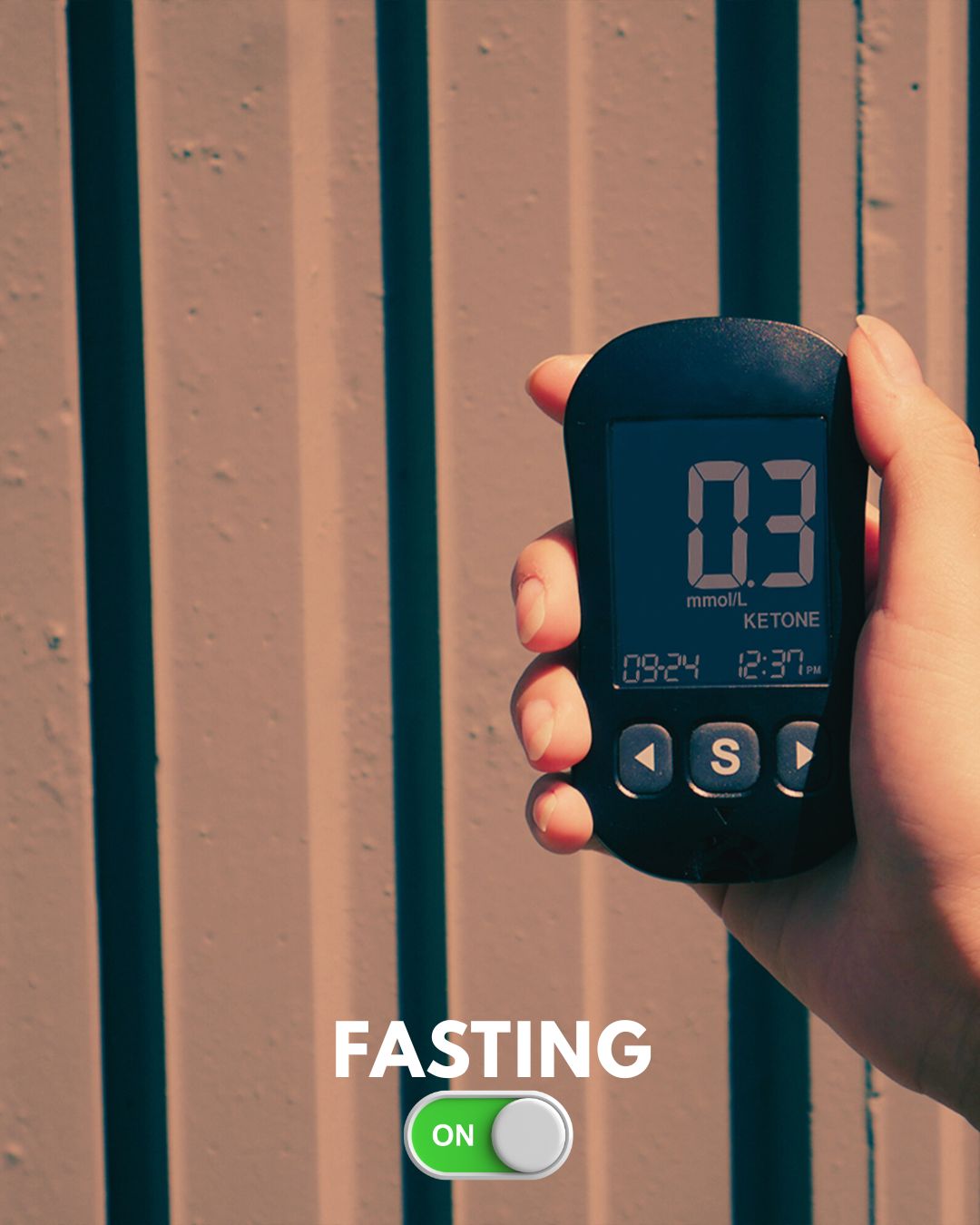

I ran K1 ketones with 15 patients at FastingON for...
Read Morefasting vs ketosis difference
Fasting vs ketosis! They are often used interchangeably. But they are not the same. Understanding the difference is essential for anyone using fasting as a metabolic tool.
Fasting Is a Behavior
Fasting simply means the absence of food intake. It is a timing-based action. You stop eating. That’s all.
What happens metabolically after that depends on the internal state of the body.
Ketosis Is a Metabolic State
Ketosis occurs when the body begins producing ketone bodies from fatty acids. These ketones provide fuel for:
the brain
muscles
other tissues
Ketosis reflects how the body is generating energy. Not whether someone is eating.
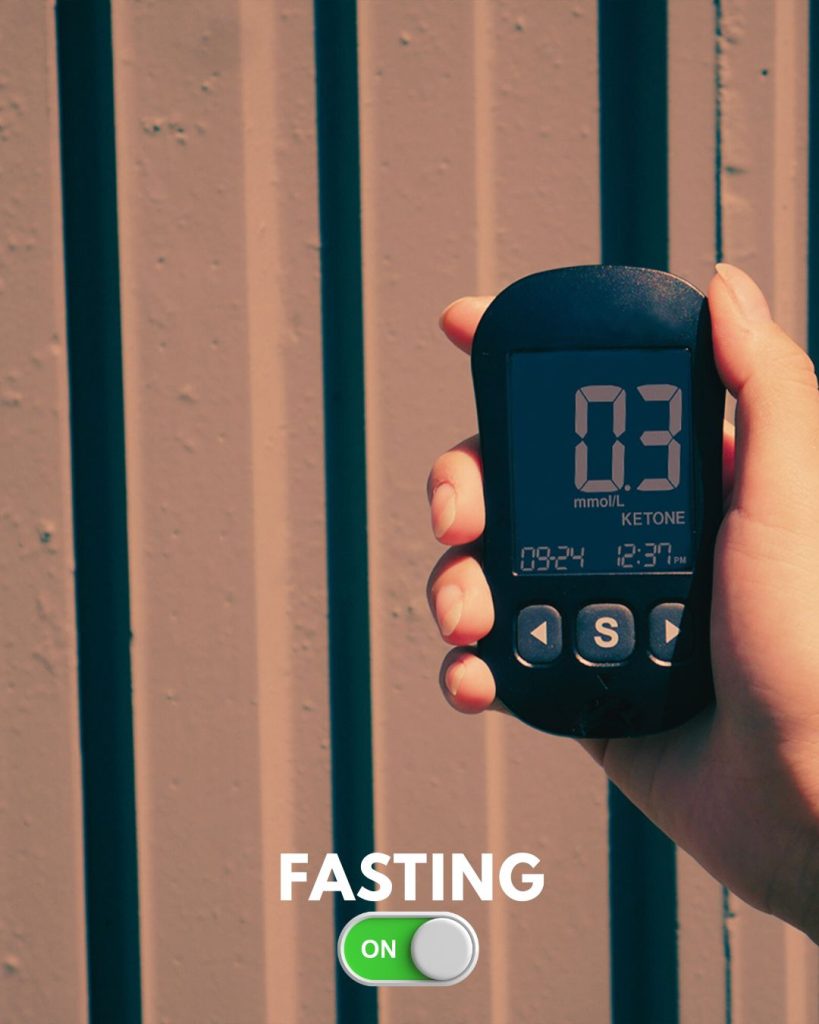
Clinical literature describes ketosis as a physiological state characterized by elevated circulating ketone bodies such as beta-hydroxybutyrate, which serve as an alternative energy substrate for the brain and peripheral tissues.
For further clinical background on ketone metabolism:
https://www.ncbi.nlm.nih.gov/books/NBK493179/
https://my.clevelandclinic.org/health/articles/24003-ketosis
You Can Fast Without Being in Ketosis
Many assume fasting automatically leads to ketosis.
In reality, this transition depends on:
glycogen depletion
insulin levels
metabolic flexibility
Individuals with insulin resistance or high glucose dependence may fast for extended periods before meaningful ketone production begins. During this phase, the body is not yet fully relying on fat-derived fuel.
You Can Be in Ketosis Without Fasting
Ketosis can also occur in a fed state. Low-carbohydrate dietary patterns may reduce insulin levels and increase fatty acid oxidation. This allows the liver to produce ketones even when food is present. This illustrates a key point when we talk about fasting vs ketosis:
Ketosis reflects fuel selection.
Fasting reflects food timing.
… and Why the Distinction Matters
The benefits often attributed to fasting are strongly linked to the metabolic state that may follow.
These include:
stable energy supply
reduced reliance on glucose
alternative fuel availability for the brain
Research suggests ketone bodies may also influence signaling pathways involved in stress adaptation and cellular resilience (Newman & Verdin, 2017).
Mechanistic pathways linking ketone signaling to metabolic regulation have been reviewed in detail in clinical literature (NIH metabolic pathway overview).
Fasting Is the Trigger, Not the Outcome
Fasting creates the conditions that may allow ketosis to develop. But it does not guarantee it.
The effectiveness of fasting depends on the body’s ability to:
mobilize stored fat
oxidize fatty acids
generate ketone bodies
This ability varies between individuals.
When Fasting Feels Difficult
If ketosis is delayed, fasting may feel:
draining
unstable
mentally demanding
Energy supply becomes inconsistent.
This may explain why some individuals experience fatigue or brain fog in early fasting phases.
A Functional Perspective
From a metabolic standpoint: Fasting is a strategy. Ketosis is a state.
The benefits commonly associated with fasting often emerge when the body successfully transitions into fat-derived fuel use. Understanding this distinction shifts the focus from: “How long should I fast?” to “How efficiently can my metabolism switch fuel sources?”
References
Newman JC & Verdin E. (2017). β-hydroxybutyrate signaling. Science.
Anton SD et al. (2018). Flipping the Metabolic Switch. Obesity.
5 Key Differences Between Fasting and Ketosis in 1 minute reading!
Understanding how fasting and ketosis differ can clarify many misconceptions.
1. Fasting Is a Behavior, Ketosis Is a State
Fasting refers to not eating. Ketosis refers to how the body is producing energy. One is an action. The other is a metabolic condition.
2. Fasting Is Time-Based, Ketosis Is Fuel-Based
Fasting depends on when you eat. Ketosis depends on what fuel your body is using. You can fast without changing fuel systems.
3. Fasting Does Not Guarantee Ketosis
Fasting creates conditions that may lead to ketosis. But metabolic flexibility determines whether the transition occurs.
4. Ketosis Can Exist Without Fasting
Low carbohydrate diet intake, like ketogenic diet, may allow ketone production even in the fed state. This shows ketosis is independent of food timing.
5. Benefits Often Come From the State, Not the Action
Many physiological effects attributed to fasting are linked to the metabolic shift that may follow. Fasting initiates the process. Ketosis reflects the metabolic outcome.

Pruvit K1 Ketones (C5 Formula) – Available Now | Dr. Monica Mogne
K1 ketones by Pruvit are now available. They combine BHB...
Read More
Why Intermittent Fasting Is Hard: The Real Biological Reasons (And the Fixes That Actually Work)
Intermittent fasting is hard for specific biological reasons, not because...
Read More
How to Start Intermittent Fasting Over 40: The Clinical Guide That Actually Works
Starting intermittent fasting over 40 requires a different approach than...
Read More